
Understanding Adenomyosis: Symptoms, Causes, and Treatment Options
Posted by Wombilee on Nov 1st 2026
Adenomyosis is a condition that can make your periods much harder to handle, but many people don’t know about it. Let’s break it down in simple terms so you can understand what it is, why it happens, and how to manage it!
What is Adenomyosis?
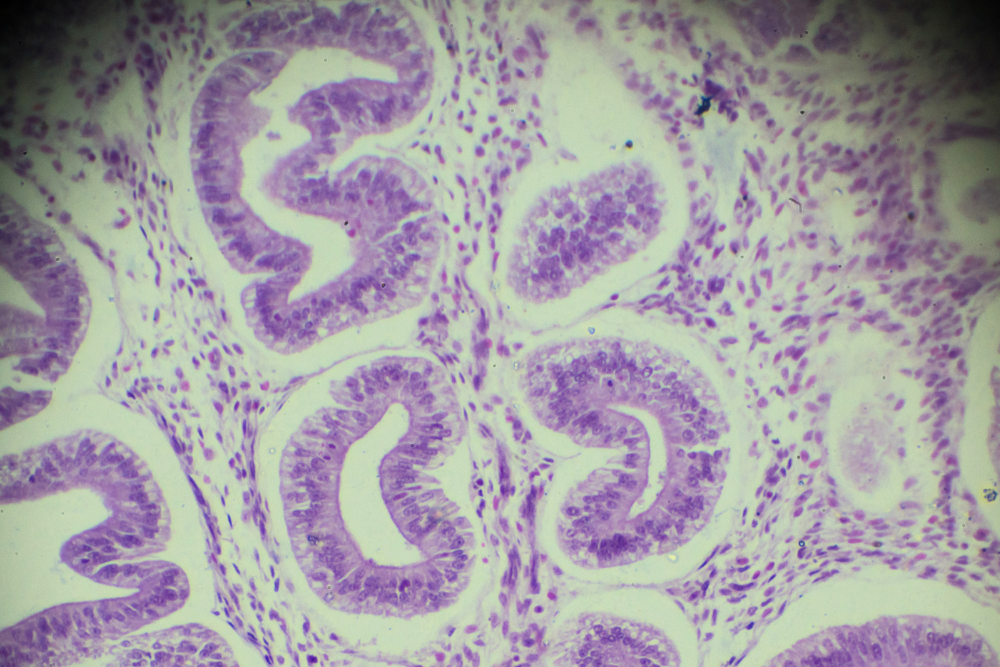
Adenomyosis happens when the tissue that normally lines your uterus (called the endometrium) grows into the muscle wall of your uterus (myometrium). This can make your uterus bigger and cause a lot of pain, especially during your period. It mostly affects women in their 30s and 40s, but anyone can get it.
When the tissue grows inside the uterine wall instead of staying on the surface, it can lead to inflammation and heavy, painful bleeding. This condition may worsen over time if not treated and can affect a woman’s quality of life.
Symptoms of Adenomyosis
Adenomyosis can cause a variety of symptoms, and they might feel different for everyone. Some of the most common ones include:
Painful Periods
Many women with adenomyosis experience really painful cramps, especially in their lower belly and back.
Heavy Bleeding
You might have much heavier periods than normal. Sometimes, you’ll need to change your pad or tampon more often.
Pelvic Pain
Some women feel pelvic pain even when they’re not on their period. This can happen during physical activity, while sitting for long periods, or during sex.
Pain During Sex
Intercourse can sometimes be uncomfortable due to the swollen uterus.
It’s important to keep track of your symptoms and speak with your doctor if you notice any of these signs. The sooner you know what’s going on, the sooner you can start managing the symptoms.
What Causes Adenomyosis?
The exact cause of adenomyosis isn’t fully known yet, but there are some things that might make it more likely to happen:
Having Children
Women who have had kids are more likely to develop this condition. It may be related to changes in the uterus that happen after childbirth.
Hormonal Changes
High levels of estrogen might play a role. Estrogen promotes the growth of the endometrial tissue, and too much of it can make the tissue grow into the muscle wall of the uterus.
Age
Women in their 30s and 40s, especially those who haven’t gone through menopause, are more likely to develop adenomyosis.
Uterine Surgery
If you’ve had surgery on your uterus before, like a C-section, it might increase your risk. Surgery can sometimes lead to scarring, which might contribute to tissue growth.
While we know a few things that might lead to adenomyosis, doctors are still figuring out exactly why some women get it. It’s still a mystery in many ways, but research is helping us understand more each year.
How is Adenomyosis Diagnosed?
If you think you might have adenomyosis, your doctor will ask you about your symptoms and medical history. They’ll likely do a pelvic exam to check for any changes in the size of your uterus. Imaging tests, such as an ultrasound or MRI, can help confirm the diagnosis by showing how the tissue is growing inside the uterine muscle.
In some cases, a small biopsy may be done to get a sample of the tissue. It’s important to get an accurate diagnosis so that you can move on to the right treatment. Misdiagnosis or delaying treatment could lead to more pain or complications, so always seek medical advice when necessary.
Treatment Options for Adenomyosis
There are different ways to treat adenomyosis, depending on the severity of symptoms. Here are some of the options:
Hormonal Treatments
Birth control pills or hormonal IUDs can help control bleeding and reduce pain.
GnRH Agonists
These medications can shrink the tissue but are usually used for only a short time due to side effects.
Uterine Artery Embolization
This is a procedure where the blood flow to the affected part of the uterus is blocked. It helps shrink the tissue and reduces symptoms. It’s a non-surgical option and can provide relief for many women.
Endometrial Ablation
This procedure removes or destroys the lining of the uterus to help reduce heavy bleeding. It can be effective but may not work for everyone, and it’s not suitable for women who want to have children later.
Hysterectomy
This is the surgical removal of the uterus. It’s usually considered only if other treatments haven’t worked and if you’re done having children. After a hysterectomy, the symptoms of adenomyosis typically go away, but this is a major surgery that comes with its own risks and considerations.
Lifestyle Changes to Manage Adenomyosis
There are some simple lifestyle changes you can make to feel better:
Exercise
Moving your body can improve blood flow and reduce pain. Light stretching or yoga may help with stiffness and discomfort, especially during your period.
Healthy Diet
Eating a balanced diet with plenty of fruits, vegetables, and whole grains helps keep your body strong. Avoiding too much sugar and processed foods can also help reduce inflammation.
Stress Management
Stress can make pain worse, so try activities like yoga, deep breathing, or even just taking a walk to relax. Managing stress can help make dealing with adenomyosis easier.
Last But Not Least
Adenomyosis can cause a lot of pain and discomfort, but there are many ways to manage the symptoms. If you’re struggling with painful periods or pelvic pain, talk to your doctor. There are treatments that can help make things easier. Remember, early diagnosis and treatment are key to feeling better. You don’t have to suffer through it alone!